National Museum of Racing and Hall of Fame Lecture: The Forgotten Foundation: How Black Equestrians Helped Build American Thoroughbred Racing – Examines the role of Black Americans In Thoroughbred Racing
By William G. Gotimer, Jr.
Saratoga Spring’s National Museum of Racing and Hall of Fame presented a lecture on February 19, 2026, examining the historical relationship between thoroughbred racing and Black Americans. Composed and presented by Education Curator Alexandra Reichel, the lecture traced the odd and troublesome history of the sport and black participation from the first American Horse race on Long Island in 1665.
Thoroughbred racing is unique in the American sports experience in that recently emancipated Black Americans after the Civil War excelled in thoroughbred racing dominating the riding and training ranks for almost four decades. The success of black riders and trainers was such that they comprised the vast majority of riders in the first Kentucky Derby and won 15 of the first 28 Derbies from 1875 until 1902. The success, fame and the monetary reward that went with it made them some of the highest paid and well known athletes of the era.
The lecture recounted how racing then used Jim Crow laws and a combination of racial bias and jealousy to obstruct and eventually erase Black American participation in the sport by 1910. Racial bias, enabled by a lack of courage by thoroughbred owners (who felt racing officials, white riders and fans would compromise the chances of a horse ridden by a black jockey), forced super star riders of the era to leave the sport or the country. Among those effectively driven from the American racing scene were Isaac Murphy and Jimmy Winkfield – whose story has to be fully studied to be believed. They and other black riders were at the absolute pinnacle of the sport until concerted efforts turned them away. To underscore the pervasiveness of this bias one need only look at the 79-year gap before a black jockey (Marlon St. Julien) again rode in the Derby in 2000.
While other sports commemorate the breaking of the racial barrier in their respective sports, racing largely ignored its history of first embracing and then conspiring to eliminate Black American participation until recent years. Reichel pointed out that black horsemanship behind the scenes continued unabated and still does today and listed some of the efforts made since the later quarter of the last century to commemorate the achievements of those post-Civil War sportsmen. These efforts include races named after Murphy and Winkfield in New York and various efforts by racetracks around the
country to acknowledge those contributions.
The very first inductee to the National Museum of Racing and Hall of Fame in 1955 was Isaac Murphy and there are seven others. Their names should be known by all racing historians and fans as their accomplishments are worthy of their spot in Hall of Fame. They are certainly worthy of listing here along with their year of induction:
Isaac James Murphy (1955)
Willie Simms (1977)
Edward D. Brown (1984)
Ansel Williamson (1998)
James Winkfield (2004)
Shelby “Pike” Barnes (2011)
Anthony Hamilton (2012)
Abe Hawkins (2024)
Reichel’s work was thorough and enlightening on a difficult topic. The museum should be proud of this effort. Reichel acknowledged the assistance of the Ed Brown Society in her research.
Reichel may be reached at areichel@racingmuseum.net and the Ed Brown Society can be found at www.Edbrownsociety.org
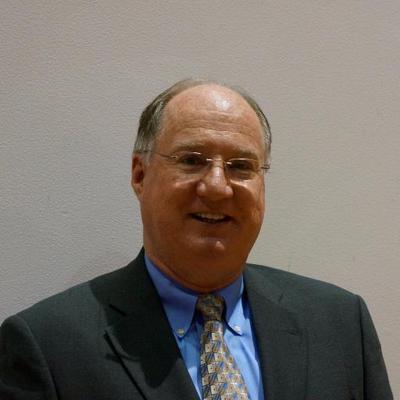
About the author – Bill Gotimer makes his home in Saratoga Springs with his wife Elise. Both are practicing attorneys and Bill regularly writes articles on horse racing and entertainment.